

Share this article

I've always enjoyed films based on true stories.


Last week, we released The Champion, which tells the remarkable true story of Polish boxer Tadeusz "Teddy" Pietrzykowski, one of the first prisoners sent to Auschwitz, who was forced to fight for survival inside the camp.


Stories like The Champion remind us that some of the most powerful films begin long before the cameras start rolling. They often originate as books, memoirs, short stories, newspaper articles, or historical accounts.
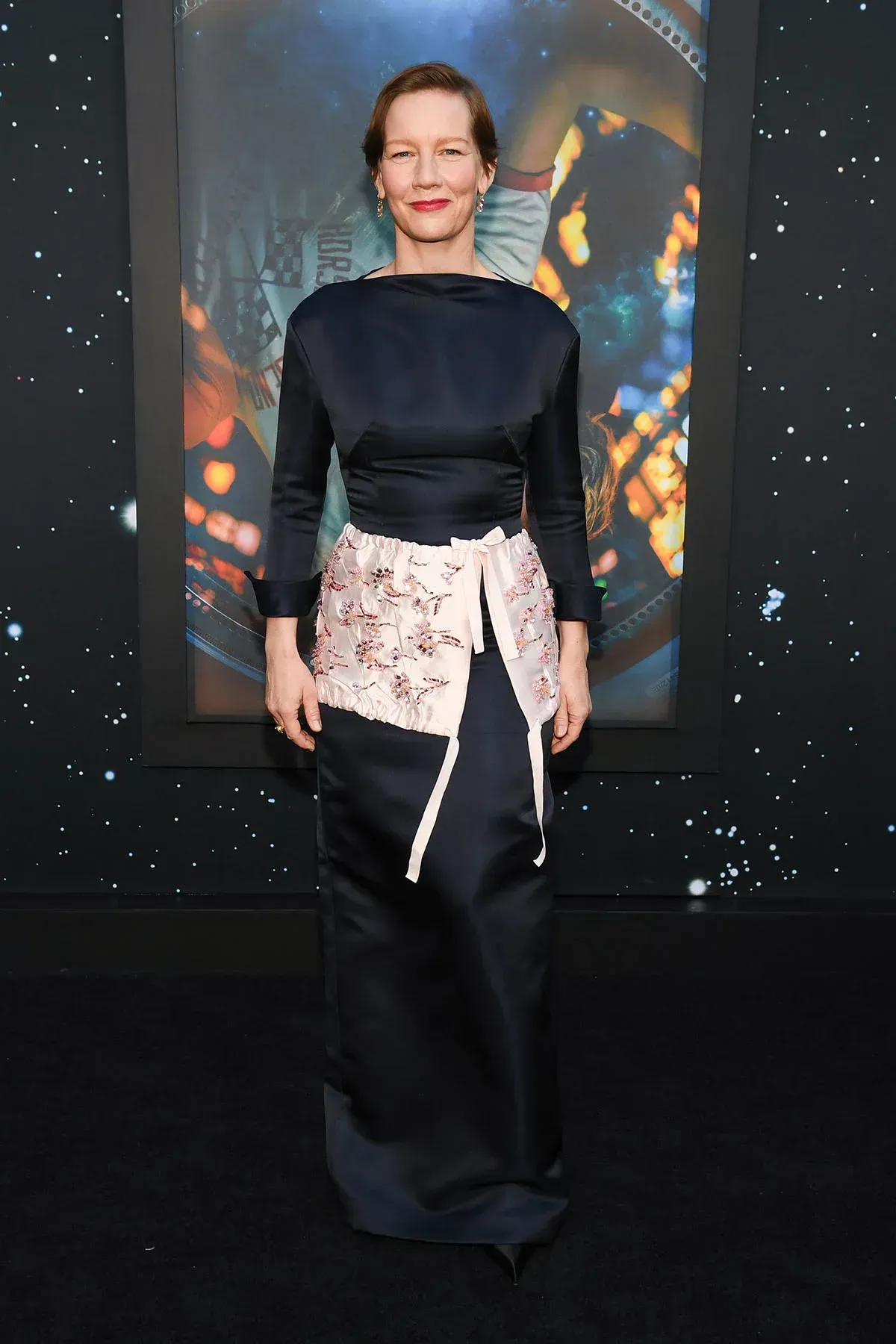
Recently, with all the attention surrounding the hit film Project Hail Mary and after writing an article about one of its stars, German actress Sandra Hüller, I decided to watch the film for myself. The movie is based on Andy Weir's bestselling novel of the same name and has become one of the most talked about films of the year. 


While I can appreciate the production, the story itself simply didn't connect with me. In fact, I found myself turning it off midway through. That's not a criticism of the filmmakers or the cast as many people clearly love it but I thought it was a weak storyline.


Many great films are based on books and the list is endless. The Godfather, Jaws, Schindler's List, Dune, The Lord of the Rings, and countless others all began as written works before becoming successful films. Even many of the best science fiction films trace their origins back to novels and short stories.


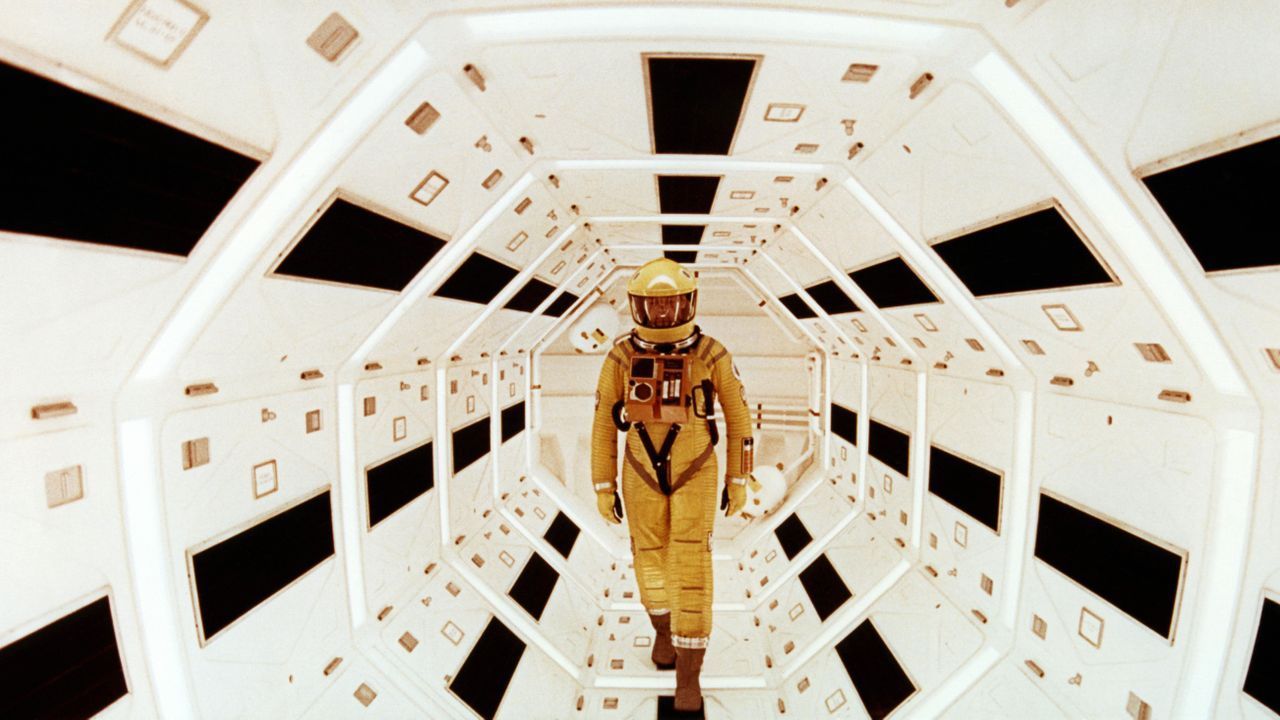
That thought led me to one of the most influential science fiction films ever made: Stanley Kubrick's 2001: A Space Odyssey. The film was so original and so far ahead of its time that I started wondering whether it had been based on a book because I couldn't remember there being one.


To understand how revolutionary 2001 was, you have to go back to the 1960s. Space travel was beginning to capture the public imagination because of the Space Race, but the idea of human beings actually walking on the Moon still seemed far-fetched to many people.

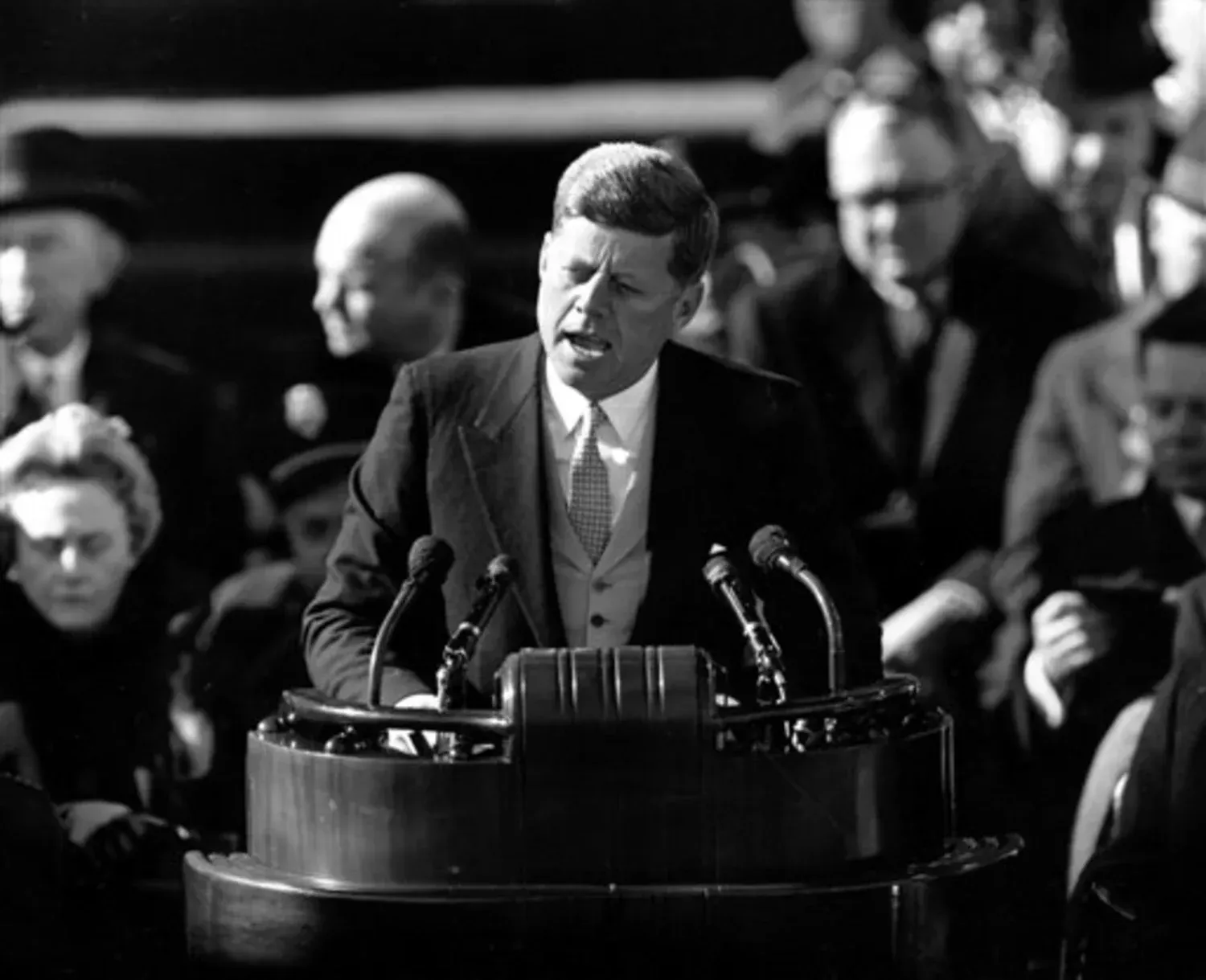
In 1961, President John F. Kennedy challenged the United States to land a man on the Moon before the end of the decade. At the time, it was an ambitious goal that many considered nearly impossible.

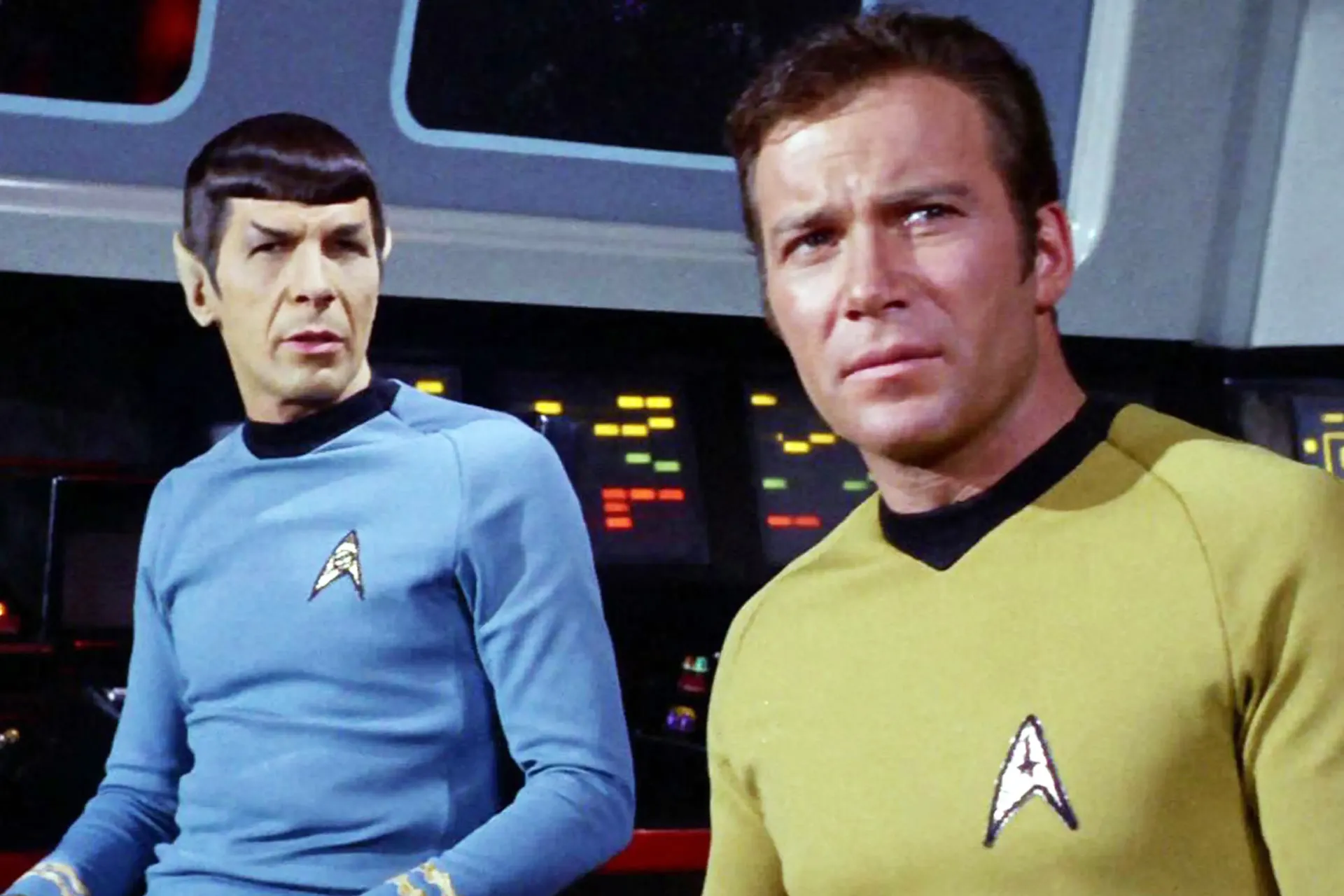
Then, in 1966, Gene Roddenberry created Star Trek, which premiered as a weekly television series. A little-known fact is that without the support of Lucille Ball's Desilu Productions the same company behind I Love Lucy, the series might never have reached television screens. This was long before streaming platforms, prestige science fiction programming, or the massive franchise universe that Star Trek would eventually become.

Just two years later, in 1968, 2001: A Space Odyssey arrived in theaters.


What makes the film so remarkable is that it imagined space travel, artificial intelligence, advanced computers, video communication, and humanity's search for meaning beyond Earth at a time when most of those ideas existed only in the realm of imagination.


What I discovered was even more fascinating. 2001 was not adapted from an existing novel. Instead, it grew out of Arthur C. Clarke's short story The Sentinel. Kubrick approached Clarke, and together they developed the screenplay and the novel simultaneously. As the story evolved, both the book and the film took shape side by side.


It was an unusual creative experiment then, and it remains unusual today.


The collaboration produced not only one of cinema's greatest achievements but also one of the most influential science fiction stories ever told. More than half a century later, audiences are still discussing its meaning, imagery, and predictions about the future.


Perhaps that's the lesson. Whether it's a true story like The Champion, a bestselling novel like Project Hail Mary, or a short story transformed into a cinematic masterpiece like 2001: A Space Odyssey, many of the films that endure begin with a great story on the page.


Watch the clip below and listen to Arthur C. Clarke explain how he and Stanley Kubrick developed the idea and created the story behind 2001: A Space Odyssey.