

I noticed a trend across several high profile Cannes films this year. A number of acclaimed international filmmakers presented films that were either widely reported as English language productions or appeared to include substantial English language dialogue, even when the stories themselves were deeply rooted in their own countries, cultures, and languages.
That raises an interesting question:
Are filmmakers increasingly choosing English language productions to solve a distribution challenge that may no longer exist?
Historically, international filmmakers seeking English speaking audiences faced difficult choices. They could rely on subtitles, traditional dubbing, or produce English language versions from the outset. While English language productions may offer broader commercial opportunities, they can also affect awards eligibility and require creative decisions driven by market realities rather than artistic considerations.
That dilemma is becoming increasingly important.

If a film's dialogue composition is primarily English, it may fall outside Academy eligibility requirements for Best International Feature Film consideration.
The irony is striking. As this year the Academy expanded the opportunity for major international festival winners to enter the Oscar conversation, a Palme d'Or winning film could potentially find itself excluded from the Best International Feature Film category because of its English language content.
Global audiences have become more comfortable consuming international content than ever before. At the same time, advances in language adaptation are creating new distribution opportunities that did not exist a decade ago.
This raises a broader industry question:
If audiences can experience an original international film in English without requiring a remake or separate English language production, does shooting in English remain the best solution for global distribution?
At Adapt Entertainment, we have spent several years working on English language adaptations of international films for a major global streaming platform. Due to confidentiality agreements, those titles cannot be publicly disclosed. However, multiple adapted films became top-performing international releases on the platform, with audience engagement significantly exceeding comparable international titles.
Audience feedback revealed an interesting pattern.
Many viewers reported they were unaware they were watching a film originally produced in another language.
That experience revealed something important: the challenge facing many international films may not be the quality of the storytelling. It may be the ability to make those stories accessible to audiences who might otherwise never watch them because of subtitles or poor dubbing.
A recent example is The Champion, the Polish German World War II drama based on the true story of Auschwitz prisoner and boxer Tadeusz "Teddy" Pietrzykowski, directed by Maciej Barczewski. The film was released last week in a new English language version across major digital platforms, including Apple TV, Prime Video, Fandango, Google TV, YouTube, and other platforms.
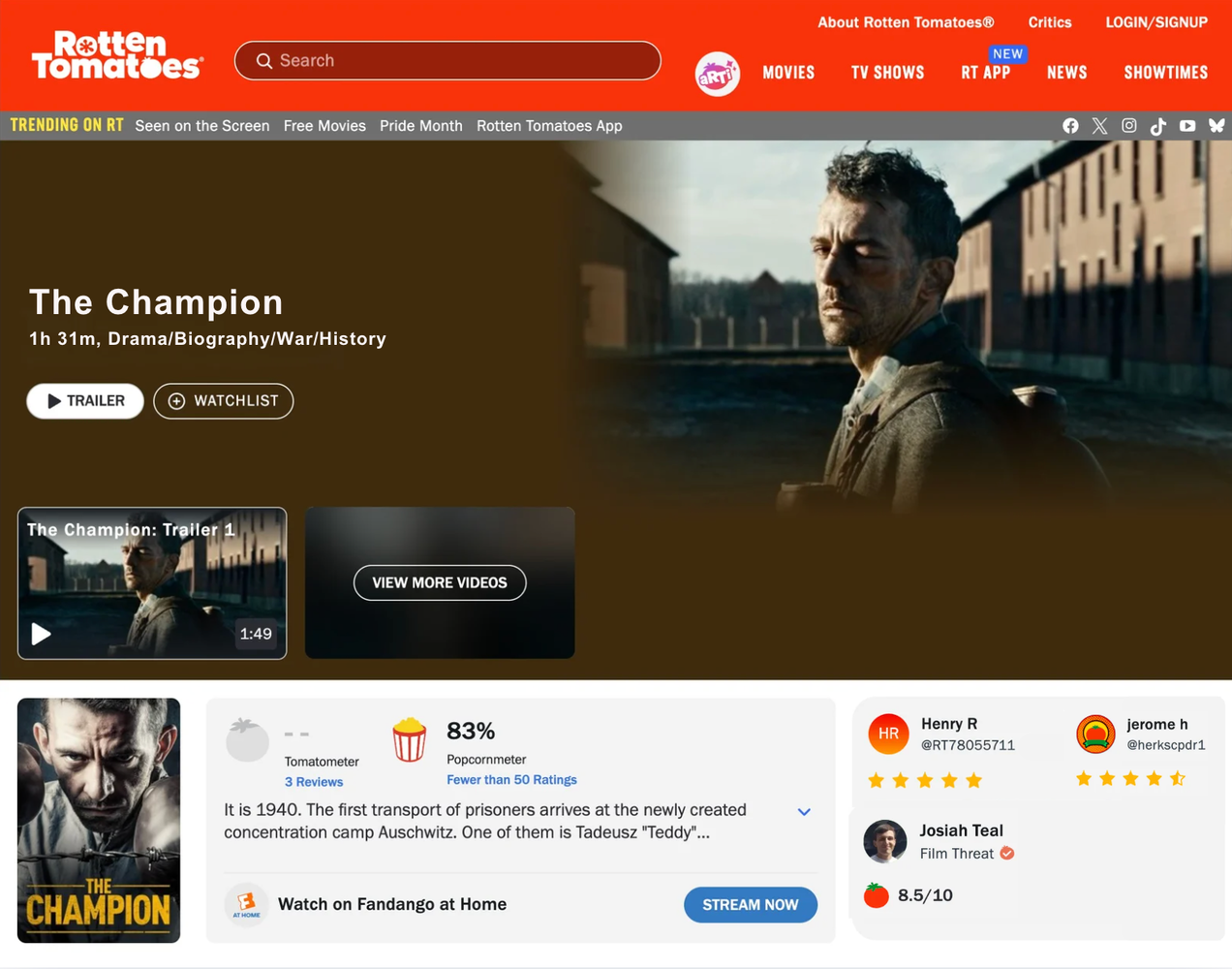
This Rotten Tomatoes reviewer remarked that they initially believed The Champion had been produced in English, only later discovering it had been adapted for English speaking audiences.
The original film remains intact. The original performances remain intact. The original creative vision remains intact. Yet the film is now available to audiences who otherwise may never have discovered it. For filmmakers, this creates a powerful opportunity.
A new model is emerging in which filmmakers no longer need to choose between awards eligibility and audience reach. Instead, they can preserve the original language version for festivals, awards consideration, and cultural authenticity while simultaneously making the same film accessible to English speaking audiences through a separate English language version.
One production. One cast. One creative vision. Two versions serving different audiences and distribution objectives.
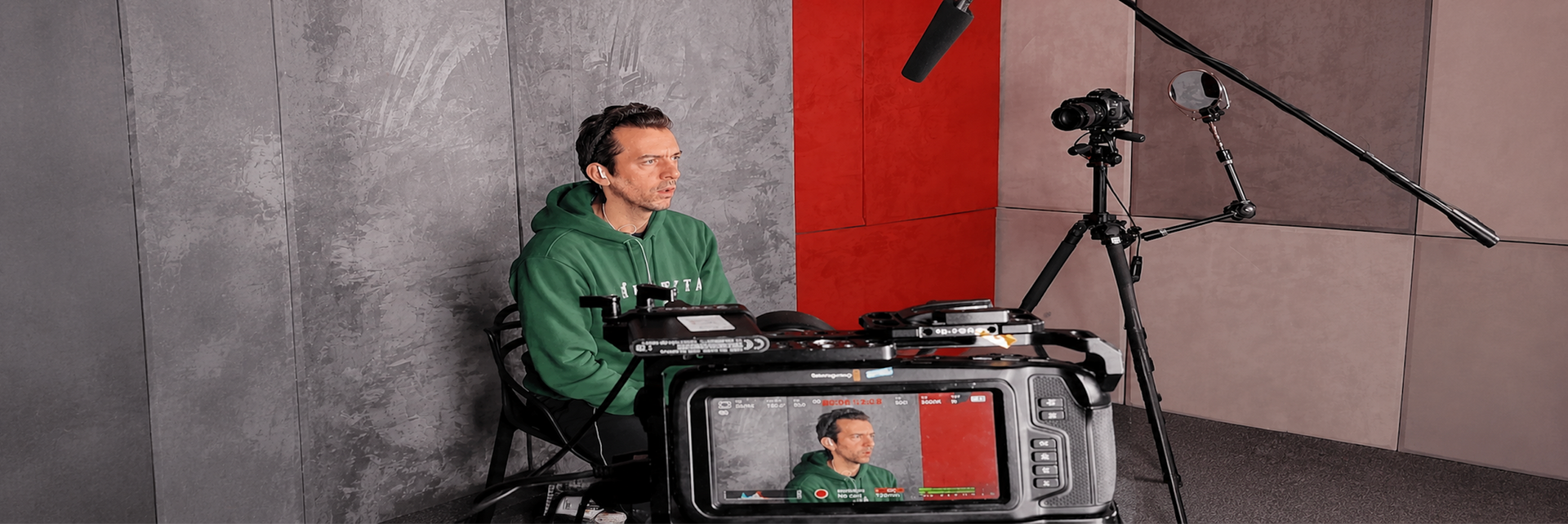
In other words, filmmakers may no longer need to choose between authenticity and accessibility.
As international cinema continues to evolve, Cannes 2026 may ultimately be remembered not only for the films that premiered there, but for the larger question those films helped highlight:
In a world where audiences can increasingly access stories in multiple languages, do international filmmakers still need to shoot in English to reach English speaking audiences?
The answer may help shape the next decade of global filmmaking.
What do you think? Will international filmmakers continue shooting in English, or will a new model emerge one that preserves the original film for festivals, awards consideration, and cultural authenticity while using separate versions to reach broader global audiences?