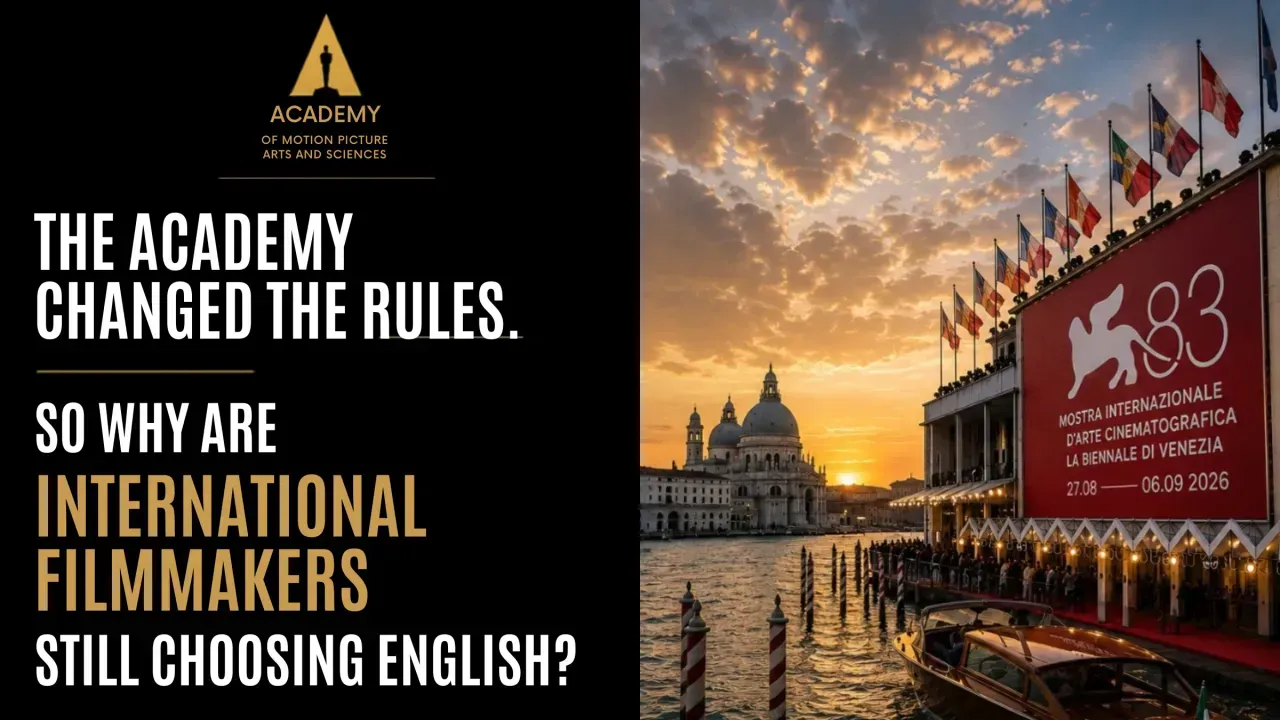
The Academy of Motion Picture Arts and Sciences continues to become a more global institution. Late last month, the Academy invited 529 new members to join its ranks, with 53% coming from 60 countries and territories outside the United States. Under Academy CEO Bill Kramer and Academy President Lynette Howell Taylor, the organization continues to broaden international representation while recognizing filmmaking from around the world.
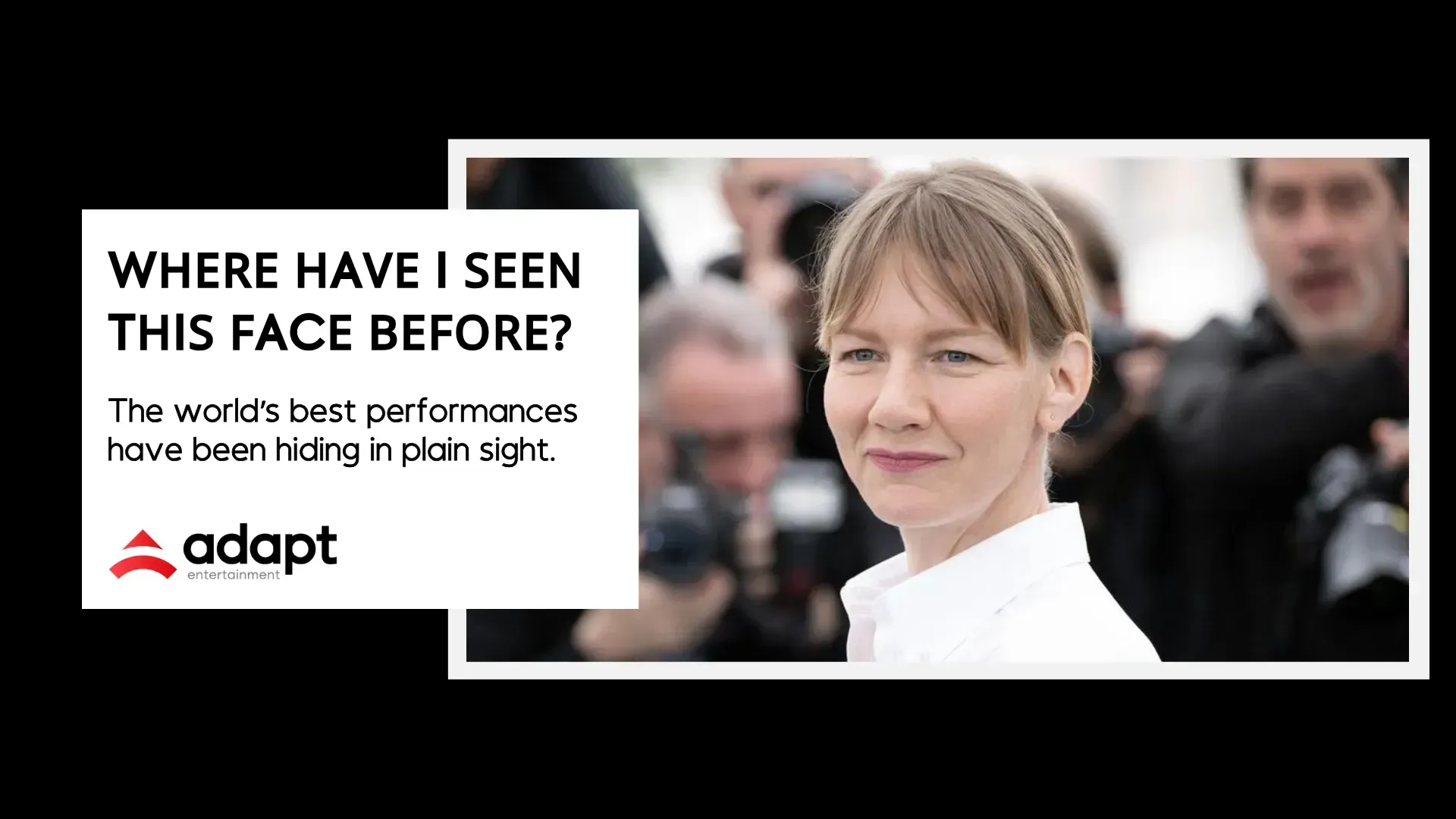
“Where have I seen this face before?” It is a question more audiences are starting to ask as international actors step into major blockbuster roles and global recognition. The truth is many of these performers have been delivering incredible work for years in films that never reached mainstream audiences. Not because of a lack of talent or storytelling, but because language barriers have kept those performances from being seen. This series highlights the familiar faces you are just now discovering and uncovers the international films that made them remarkable long before the spotlight found them. Here is the story behind one of those familiar faces. Sandra Hüller most recent appearance was being an actress in the film Project Hail Mary with Ryan Gosling that's become a big hit and recognition of her great acting skills. What is especially interesting is that she is not American, but German. In fact, one of her most notable recent performances came in the French film Anatomy of a Fall, for which she was nominated for an Academy Award for Best Actress in 2024. If you really want to see where Sandra first broke through, look back to the German film subtitled in English, Toni Erdmann. The film was Germany’s official Oscar submission and went on to receive a nomination for Best Foreign Language Film at the 2017 Academy Awards. Even more impressively, the film earned a 93 on Metacritic and a 93% on Rotten Tomatoes, placing it among a very rare group of films to receive such high marks across both platforms. Unfortunately, due to language barriers of using subtitles, very few people saw the movie. And she is not only a talented actress she also appears to be a gifted singer and perhaps even a future director. In Project Hail Mary, the character Eva Stratt, played by Sandra Hüller, performs a karaoke version of Harry Styles’ debut solo hit, “Sign of the Times,” while saying goodbye to her team. How did that particular song end up in the film and on its soundtrack? It turns out it was Sandra Hüller’s idea. It's screenwriter Drew Goddard's favorite scene in the film, although he claims no credit for the Styles song choice. "I had nothing to do with it," Goddard told Mashable in a video interview. "We knew we needed this sort of hangout scene. I call it the 'calm before the storm' scene." Directors Phil Lord and Chris Miller suggested karaoke for the scene and Goddard recalled, just a few nights before shooting, they decided to try to get Hüller to sing in the film. "She said, 'I'll only do it if I can do the Harry Styles song,'" Goddard said. "So, it was Sandra's choice, which is insane to think about, because it lines up so perfectly with the point of the movie. It actually says, 'breaking through the atmosphere,' for God's sake. I could not have chosen a better song. That's all Sandra. She picked it and thank God she did."
I noticed a trend across several high profile Cannes films this year. A number of acclaimed international filmmakers presented films that were either widely reported as English language productions or appeared to include substantial English language dialogue, even when the stories themselves were deeply rooted in their own countries, cultures, and languages. That raises an interesting question: Are filmmakers increasingly choosing English language productions to solve a distribution challenge that may no longer exist? Historically, international filmmakers seeking English speaking audiences faced difficult choices. They could rely on subtitles, traditional dubbing, or produce English language versions from the outset. While English language productions may offer broader commercial opportunities, they can also affect awards eligibility and require creative decisions driven by market realities rather than artistic considerations. That dilemma is becoming increasingly important.