
May 21, 2026

Where Have I Seen This Face Before?

Share this article

“Where have I seen this face before?” In our continuing series, it is a question more audiences are starting to ask as international actors step into major blockbuster roles and global recognition. The truth is many of these performers have been delivering incredible work for years in films that never reached mainstream audiences. Not because of a lack of talent or storytelling, but because language barriers have kept those performances from being seen. This series highlights the familiar faces you are just now discovering and uncovers the international films that made them remarkable long before the spotlight found them.


Here is the story behind one of those familiar faces.


On Monday night at the Cannes Film Festival, audiences responded passionately to Fjord, Cristian Mungiu’s heart-wrenching family legal drama starring Sebastian Stan and Renate Reinsve. The film premiered at the Grand Palais and reportedly received a major standing ovation.


Reinsve returned to Cannes after last year’s success of Sentimental Value, Joachim Trier’s Norwegian drama, which won the Grand Prix at Cannes and early this year became the first Norwegian film to win the Oscar for Best International Feature.


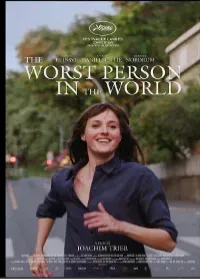
For many international film fans, Reinsve first broke through with Trier’s The Worst Person in the World in 2021. Her performance won Best Actress at Cannes and earned her a BAFTA nomination for Best Actress. The film itself was nominated for two Academy Awards for Best International Feature Film and Best Original Screenplay.

The Worst Person in the World is a modern dramedy about the search for love, identity, and meaning in contemporary Oslo. It became one of the most acclaimed films of its year, earning a 91 Metascore and 96% critics score on Rotten Tomatoes. Again, placing it among a very rare group of films to receive such high marks across both platforms. I’ll call it the 90/90 club and more articles in the future regarding this unique phenomenon.


And yet, despite that critical success, the film remained limited for many mainstream American viewers because it was in Norwegian with English subtitles. That is the larger issue, some of the world’s best performances are still being kept at a distance from broader audiences because of language barriers.


You can watch this film on Amazon Prime however it's in Norwegian with English subtitles, but you'll see from her performance and discover why she’s one of the leading actors in the world today.


That brings us back to Fjord. The film is set in Norway and tells a Norwegian-centered story, but it is directed by Romanian filmmaker Cristian Mungiu and performed in English. It reflects a growing pattern: major international directors and actors are increasingly moving into English-language productions in order to reach wider audiences.

Reinsve will also be seen this month in another English-language film, A24’s Backrooms, starring opposite Chiwetel Ejiofor and opening in theaters on May 29th.


There are many extraordinary international actors now being recognized in the United States because their talent is undeniable. But many of their greatest performances, especially in their native-language films, are still not widely seen.


But today, international performances no longer have to be limited by subtitles. With Adapt’s technology, international films can now be experienced in English as they were originally performed with no subtitles, without compromising the script, the actor, or the integrity of the film.


ADDITIONAL BeaRS STORIES

By Darryl Marks • August 4, 2026
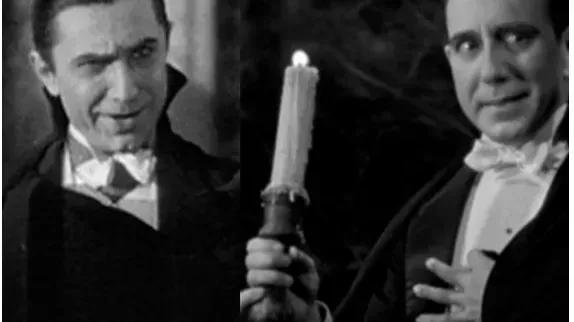
One of the things I enjoy most about the film industry is discovering that many of today's "new" ideas are often old ideas returning in a different form. Over the weekend, I was reminded of that after reading two articles published just days apart. The first described a collaboration between actor-director Gerald Fillmore, Spanish production company LyO Media, and financier Filmika Audiovisual to produce both English and Spanish language versions of each feature by filming every scene twice with the same cast, beginning with their first film, Face Love (Amor En Toda La Cara). Almost simultaneously, Variety published a review of Los Vampires, a new film inspired by one of Hollywood's most fascinating production stories. In 1931, Universal Pictures tackled the challenge of international distribution by producing two versions of Dracula on the same sets. During the day, Tod Browning directed Bela Lugosi in the now iconic English-language version.
By Darryl Marks • July 15, 2026
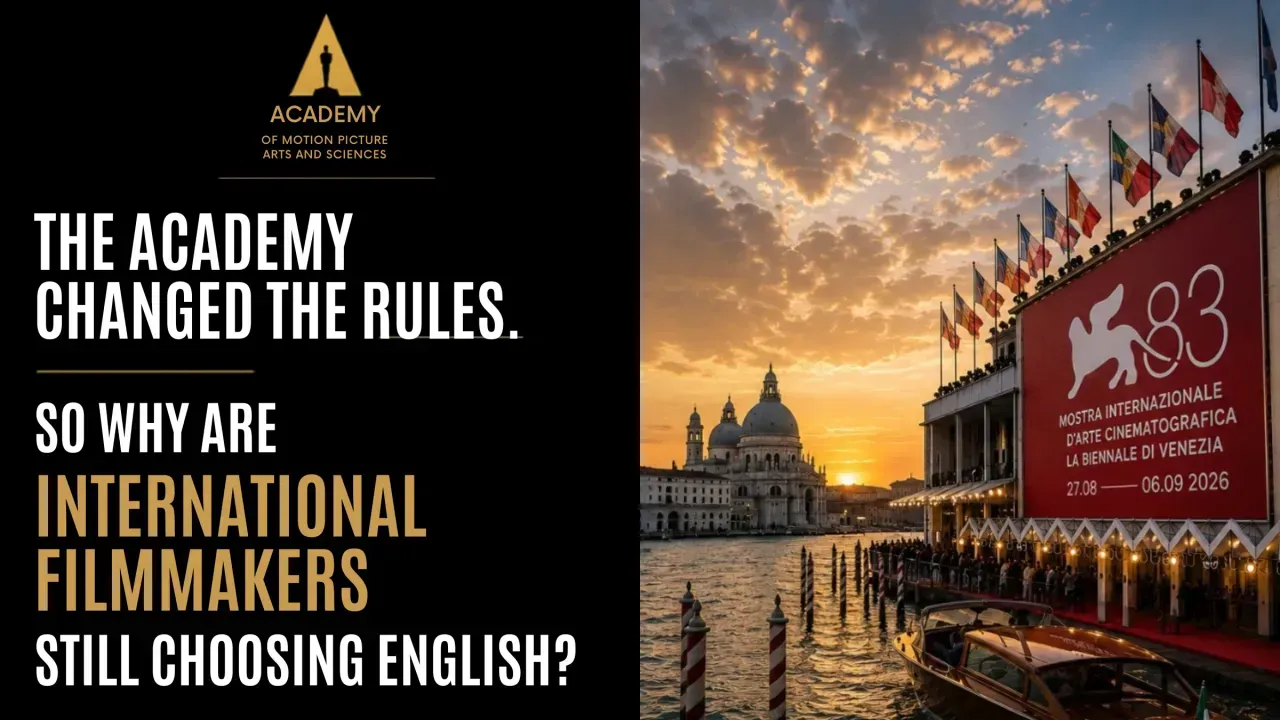
The Academy of Motion Picture Arts and Sciences continues to become a more global institution. Late last month, the Academy invited 529 new members to join its ranks, with 53% coming from 60 countries and territories outside the United States. Under Academy CEO Bill Kramer and Academy President Lynette Howell Taylor, the organization continues to broaden international representation while recognizing filmmaking from around the world.
By Darryl Marks • July 11, 2026
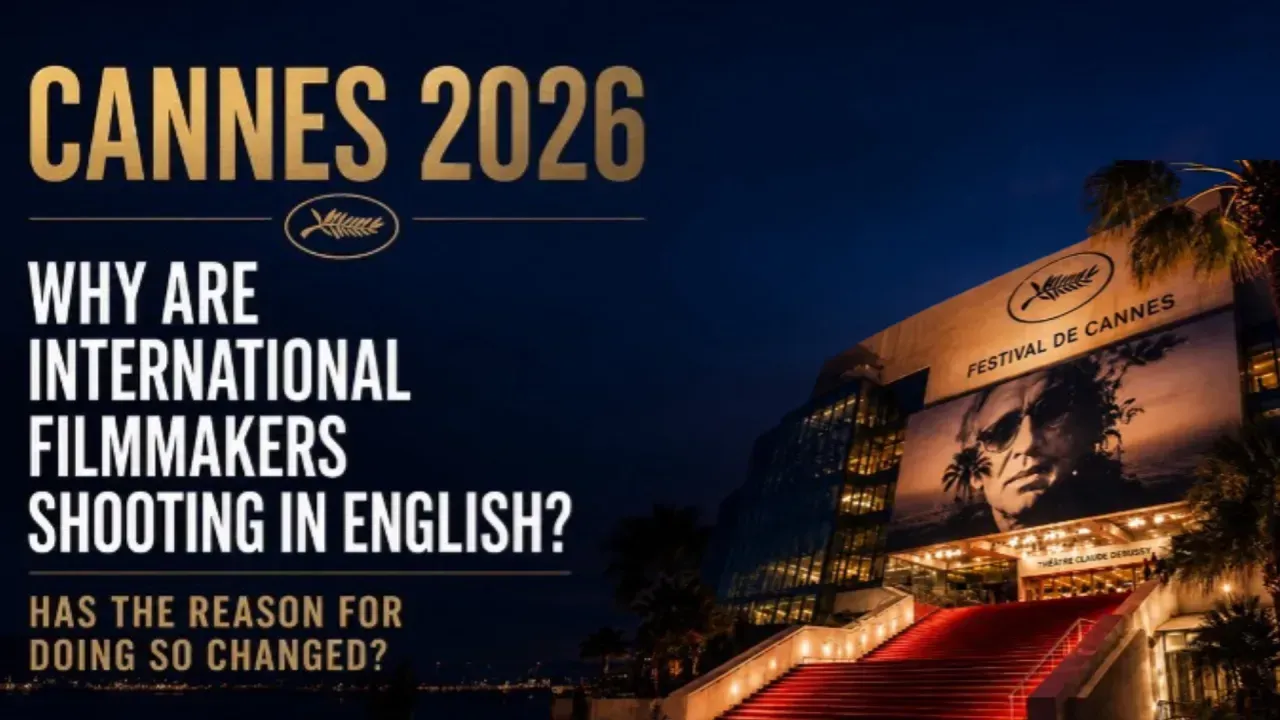
I noticed a trend across several high profile Cannes films this year. A number of acclaimed international filmmakers presented films that were either widely reported as English language productions or appeared to include substantial English language dialogue, even when the stories themselves were deeply rooted in their own countries, cultures, and languages. That raises an interesting question: Are filmmakers increasingly choosing English language productions to solve a distribution challenge that may no longer exist? Historically, international filmmakers seeking English speaking audiences faced difficult choices. They could rely on subtitles, traditional dubbing, or produce English language versions from the outset. While English language productions may offer broader commercial opportunities, they can also affect awards eligibility and require creative decisions driven by market realities rather than artistic considerations. That dilemma is becoming increasingly important.